
Shape Growth Before It Blocks Walkways
Pruning in Chittenden County for shrubs and hedges overhanging paths or blocking sightlines
Lund Landscape Services offers pruning services for homeowners in Colchester, Vermont and surrounding areas whose shrubs, hedges, and small trees have grown past their intended boundaries. You call when branches scrape against siding, block windows, or force people to step off walkways. Pruning restores clearance, improves light penetration, and redirects energy toward healthy growth rather than crowded, weak shoots that snap under snow load.
The work involves removing dead wood, thinning dense canopies, and cutting back limbs that interfere with structures or foot traffic. Timing matters: spring-flowering shrubs are pruned right after bloom, while summer bloomers are cut in late winter to avoid removing flower buds. Proper cuts are made just above a node or lateral branch so the plant heals cleanly and does not develop stubs that invite disease. In Vermont, where freeze-thaw cycles stress plants, clean pruning wounds close faster and reduce the risk of winter dieback.
If your plantings are touching the house or you cannot see around corners safely, reach out to discuss pruning schedules and plant-specific timing for your property in Colchester, Burlington, Essex, and neighboring communities.
How Pruning Affects Plant Structure and Safety
You will see more light reaching lower branches and ground-level plantings once the canopy is thinned. Air circulation improves, which reduces humidity around foliage and lowers the chance of fungal problems that thrive in damp, crowded conditions. Hedges that were rounded or bulging at the top become narrower there and wider at the base, a shape that prevents snow from splitting the plant apart in winter.
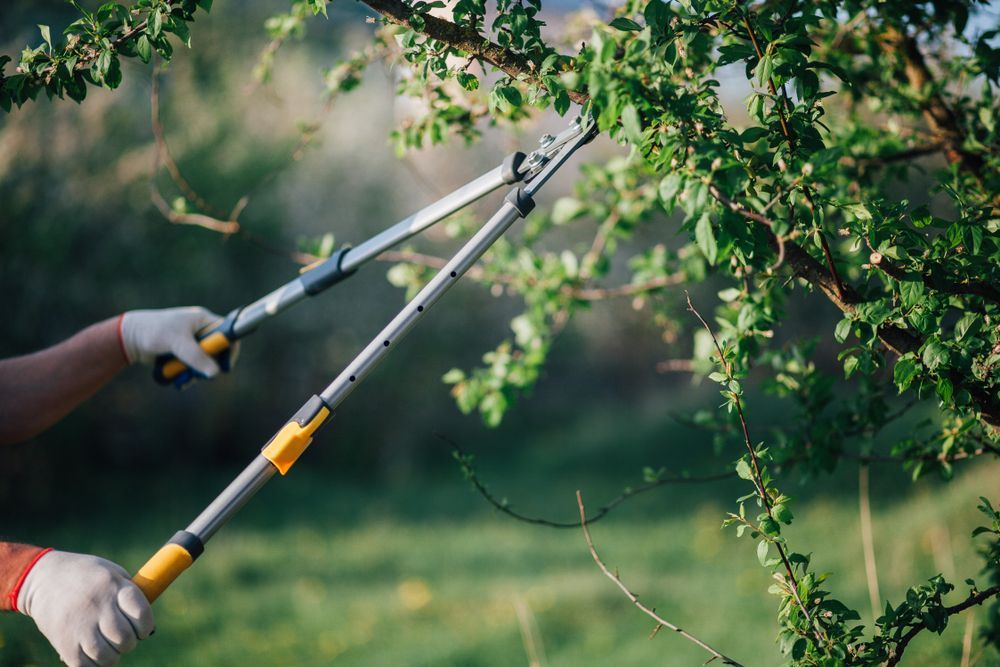
Lund Landscape Services uses hand pruners, loppers, and pole saws depending on branch diameter and height, ensuring cuts are precise rather than torn. Walkways and driveways regain full width after pruning removes encroaching limbs, and windows that were dark now let in unobstructed daylight. The structured appearance that results makes the rest of the landscape look intentional rather than ignored.
Routine pruning prevents the need for severe cutbacks that leave plants looking bare or stressed. Some species tolerate hard pruning and rebound quickly, while others respond poorly to heavy reduction and take years to recover. Knowing which approach suits each plant type keeps your landscape functional and attractive without creating gaps or long recovery periods. This service does not include tree removal or work requiring a bucket truck.
Homeowners in Chittenden County often want to know when to prune and how much can be removed without harming the plant.
Common Pruning Questions From Property Owners
When is the best time to prune shrubs in Vermont?
Timing depends on bloom cycle: prune spring bloomers right after flowers fade, and prune summer bloomers in late winter before buds break.
How much of a shrub can be safely removed in one season?
You can typically remove up to one-third of the live growth without stressing the plant, though some species tolerate more aggressive reduction.
Why does pruning improve plant health?
Removing dead, diseased, or crossing branches reduces competition for nutrients and light, and thinning dense growth improves airflow that prevents fungal issues common in humid conditions.
What tools are used for different pruning tasks?
Hand pruners handle stems up to three-quarters of an inch, loppers manage branches up to two inches, and pole saws reach higher limbs without a ladder.
How does pruning prevent snow damage in Chittenden County?
Thinning the canopy and shaping shrubs so they are wider at the base allows snow to slide off rather than accumulate and split the plant under weight.
If your plantings need shaping or have grown beyond their space, contact Lund Landscape Services to schedule pruning and discuss a maintenance routine that matches growth rates and seasonal conditions.