
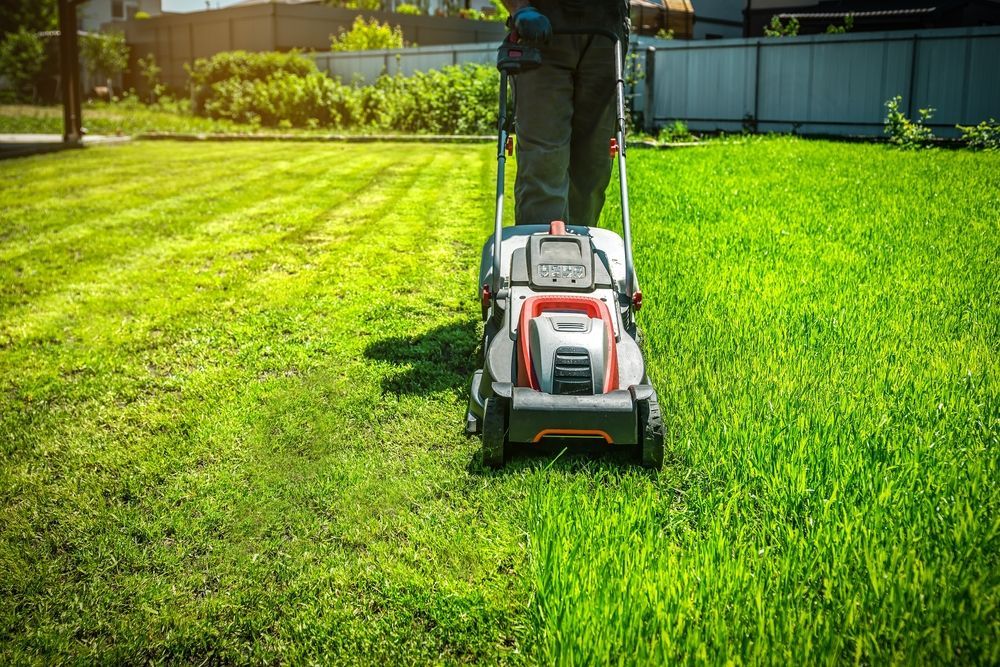
Maintain Even Turf Without the Weekly Work
Mowing in Chittenden County and surrounding areas for lawns that grow unevenly or need consistent cutting schedules across Vermont's active growing season
Lund Landscape Services handles mowing for residential and commercial properties in Colchester, South Burlington, Williston, and surrounding areas where grass grows too fast to keep up with or where uneven cutting leaves visible stripes and clumps. You may need weekly service during the spring surge when a missed week results in shaggy turf that mats when cut, or biweekly visits later in summer when growth slows but still requires attention. This service keeps your lawn looking maintained and supports healthier grass by cutting at the right height and frequency.
The work includes cutting grass to a height that encourages dense growth without stressing roots, edging along walks and bed lines to create clean boundaries, and trimming around obstacles like posts, trees, and building corners. Vermont's wet springs mean crews monitor soil conditions to avoid mowing when turf is saturated and prone to ruts. Mowing frequency adjusts with the season—weekly visits during peak growth in May and June shift to biweekly as July and August slow the pace.
If your lawn needs regular mowing or you want to set up a recurring schedule, reach out to discuss service intervals and timing.
What Routine Mowing Includes and When It Happens
You receive mowing on a scheduled day each week or every other week, depending on growth rate and your preferences. Crews use rotary mowers set to cut at three to three and a half inches, a height that shades soil, reduces weed germination, and keeps roots cool. Edging defines the perimeter along driveways, sidewalks, and planting beds, and string trimmers handle areas the mower cannot reach.
After a mowing visit, you will see grass cut to an even height without missed patches or scalped areas, clippings dispersed so they decompose quickly, and edges that look sharp and intentional. Consistent mowing prevents seed heads from forming, which keeps lawns looking uniform and reduces the spread of weeds. Lund Landscape Services adjusts cutting height slightly through the season to account for heat stress in summer and slower growth in fall.
Service does not include dethatching, aeration, or fertilization, though mowing integrates with other maintenance like weeding and cleanups when bundled into a full care plan. Scheduling pauses once grass stops growing in late autumn and resumes in spring after the first flush of growth.
Common questions address timing, equipment, and how mowing fits into broader lawn care.
What Homeowners Ask About Mowing Service
How often should a lawn be mowed in Chittenden County during peak season?
Weekly mowing from late April through early July keeps grass at a healthy height, shifting to biweekly as growth slows in August and September.
What cutting height is best for Vermont lawns?
Three to three and a half inches promotes deep roots, shades out weeds, and reduces drought stress during dry spells.
What happens if rain delays a scheduled mowing?
Crews reschedule within two to three days once turf dries enough to support equipment without creating ruts or clumping wet clippings.
Why does edging matter if the lawn is already cut?
Edging removes grass and roots that creep over hard surfaces, creating a defined border that makes the entire lawn look more intentional and cared for.
When does mowing service stop and start each year in Chittenden County?
Service begins in mid to late April when grass starts growing and ends in late October or early November once growth ceases and frost becomes regular.
If you need dependable mowing through the season or want to discuss a schedule that fits your lawn's growth pattern, contact Lund Landscape Services to set up service.