
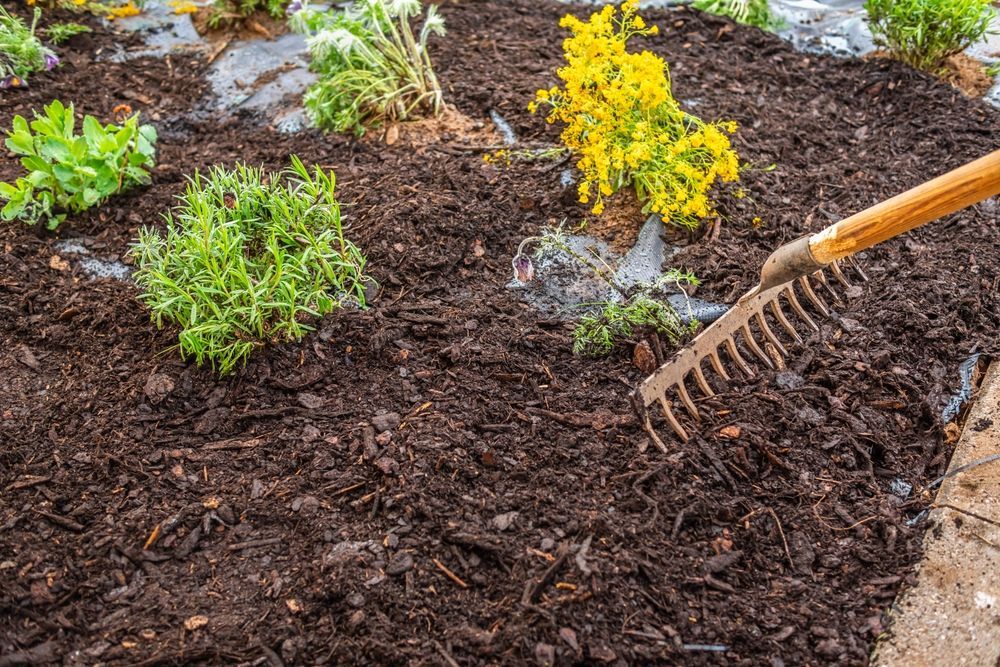
Control Weeds and Lock In Soil Moisture
Mulching in Chittenden County for visible weed pressure and soil drying out between waterings
Lund Landscape Services provides mulching services for homeowners and property managers in Colchester, Vermont and surrounding areas who want cleaner garden beds that hold water longer and show fewer weeds week to week. You see the difference within days: bed edges appear defined, bare soil disappears under a consistent layer, and the ground stays damp even when rain is inconsistent. This service works for front foundation plantings, side yard beds, and larger landscaped areas where maintenance time matters.
Mulch installation starts with clearing debris and old material that has broken down or scattered. A fresh layer goes down at the right depth to insulate roots, slow evaporation, and block sunlight from reaching weed seeds in the soil. Different mulch types are available depending on whether you want something that breaks down quickly to feed the soil or lasts longer with less frequent refresh. The material regulates soil temperature through summer heat and helps prevent frost heave in winter.
If your beds look patchy or you pull weeds every week, reach out to discuss mulch options and timing for your property in Colchester, Essex, Williston, and neighboring communities.
What Changes After Mulch Goes Down
You will notice that watering requirements drop because the mulch layer reduces surface evaporation. Soil stays cooler on hot afternoons, which means plants under stress from heat recover faster. Weed growth slows significantly because seeds cannot germinate without direct light, and any that do sprout pull out easily from the loose mulch rather than compacted dirt.
Lund Landscape Services applies mulch at a depth that balances coverage with air exchange, preventing the anaerobic conditions that lead to sour smells or fungal issues. Bed edges are cut clean so the mulch stays contained and does not migrate onto walkways or lawn areas. The visual result is immediate: beds look uniform, colors contrast with plantings, and the property reads as maintained rather than neglected.
Mulch settles and decomposes over time, so most properties benefit from a seasonal refresh to maintain depth and appearance. This service often pairs with weeding or new plantings, since preparing the bed for mulch involves clearing unwanted growth and defining borders. Hardwood, bark, and dyed mulches each behave differently in terms of longevity and color retention, and the choice depends on your maintenance preference and budget.
Homeowners in Chittenden County often ask how mulch performs through Vermont winters and how often beds need attention to stay functional and neat.
Questions About Mulch Installation and Maintenance
How deep should mulch be applied in garden beds?
You want two to three inches after settling, enough to suppress weeds and insulate roots without smothering plant crowns or creating drainage problems.
What type of mulch works best for reducing maintenance?
Hardwood mulch breaks down slower than shredded bark and stays in place better on slopes, which means fewer applications over the season.
When should mulch be refreshed each year?
Spring is ideal for replenishing what decomposed or washed away over winter, and fall applications help protect roots before freeze cycles begin.
Why do bed edges matter when installing mulch?
Clean edges keep mulch contained and prevent it from spilling onto grass or pavement, which reduces cleanup and maintains the defined look that makes beds stand out.
How does mulch affect watering schedules in Chittenden County?
Properties with mulch typically need less frequent watering during dry spells because the layer traps moisture in the root zone and reduces surface loss from sun and wind.
If your beds need a reset or you want to reduce time spent watering and weeding, contact Lund Landscape Services to schedule mulch installation and discuss material options that fit your landscape and upkeep goals.